Is Duct Cleaning Worth It?
The short of it
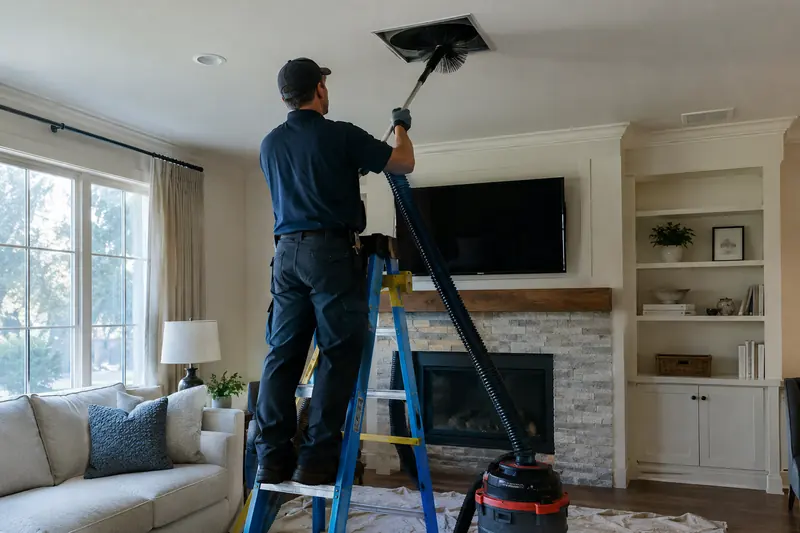
Is duct cleaning worth it? Rarely as routine upkeep: EPA says it has never been shown to prevent health problems, but it makes sense for visible mold in hard ducts, vermin, or ducts clogged with debris.
Valley Home Ducts, figures checked against their sources · updated
On this page
What to carry away
- EPA says duct cleaning "has never been shown to actually prevent health problems," and calls what is known about its benefits and risks limited.
- EPA names 3 situations where cleaning is worth considering: substantial visible mold inside hard ducts, vermin, or ducts clogged with excessive dust and debris.
- No products are registered as biocides for fiberglass duct board or fiberglass-lined ducts, according to EPA.
- EPA suggests written estimates from at least 3 providers and a written agreement on total cost and scope before any work starts.
- ENERGY STAR ties bills to leaks, not dust: about 20 to 30 percent of the air in a typical duct system is lost.
- The California Air Resources Board strongly advises against ozone generators indoors, which some duct cleaners propose.
Is duct cleaning worth it?
For most Central Valley houses with no mold, pests or heavy debris in the ducts, routine duct cleaning is hard to justify on the evidence. EPA's consumer page on duct cleaning (updated February 2026) says cleaning "has never been shown to actually prevent health problems," and that studies do not conclusively show dirty ducts raise dust levels in a home. It adds there is no evidence that a light amount of household dust in ducts poses a health risk.
That is not the same as calling cleaning useless. EPA's position is narrower: knowledge about the benefits and the possible problems is limited, so the decision rests on what is actually inside your ducts. If nobody in the house has allergies or unexplained symptoms and a visual inspection shows no significant dust or mold, EPA says cleaning is "probably unnecessary."
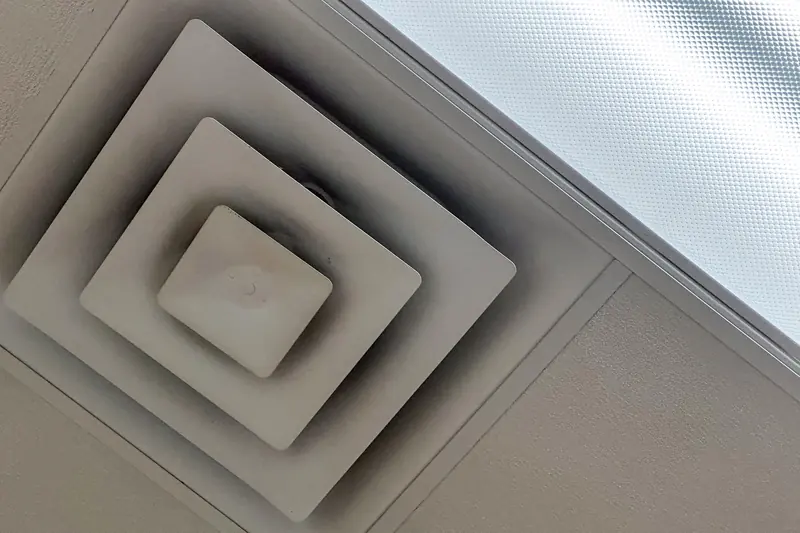
Dusty registers alone don't settle the question, since the duct a foot past a streaked grille may be clean. EPA's own suggestion is to ask any provider to show you the contamination that would justify the job.
When does EPA say cleaning makes sense?
EPA names three situations where cleaning is worth considering:
- Substantial visible mold growth inside hard-surface (sheet metal) ducts or on other parts of the heating and cooling system.
- Vermin: ducts infested with rodents or insects.
- Heavy debris: ducts clogged with excessive dust and debris, or particles actually released into the house from the supply registers.
Mold comes with two cautions. EPA notes that many sections of a system can't be reached for a visual check, and that telling whether a growth is mold may take an expert and a lab test. More important, "if the conditions causing the mold growth in the first place are not corrected, mold growth will recur." EPA calls moisture control the most effective way to prevent biological growth in ducts, so the fix starts with a sweating duct, a clogged condensate drain or a leaky return, not with a brush.
Insulation is a separate case. EPA says duct insulation that gets wet or moldy cannot be cleaned effectively and should be removed and replaced, which makes it a repair job for a licensed HVAC contractor; see replacing ductwork.
Houses built between the 1930s and 1970s need one more look before anyone starts. EPA says asbestos-containing materials require specialized procedures, and its asbestos page says that if you suspect a material contains asbestos, don't touch it; a trained and accredited asbestos professional takes the samples. If you're unsure, call a licensed technician.
What about biocides and sealants?
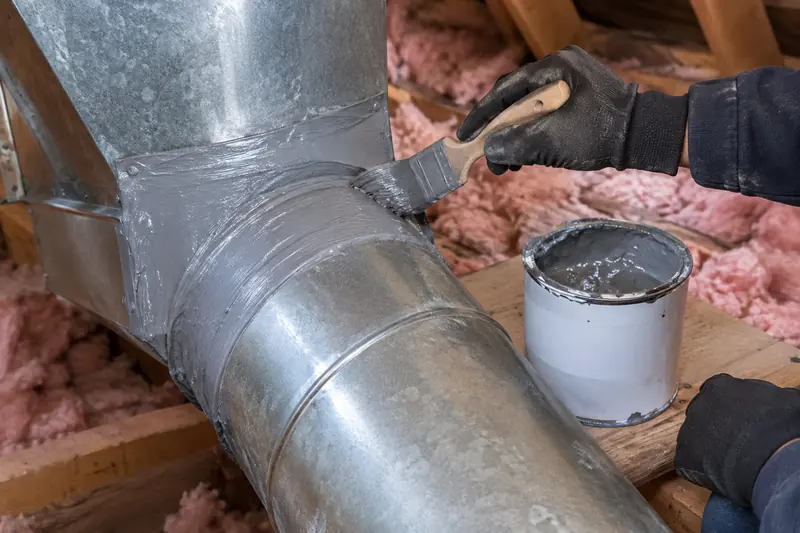
EPA's advice is to fully understand the pros and cons before letting anyone apply chemical biocides or sealants inside ducts. Some providers propose a biocide to kill bacteria or fungi, or a sealant to coat the inside of the duct; neither replaces removing the contamination.
Three EPA points carry most of the weight:
- No products are currently registered as biocides for fiberglass duct board or fiberglass-lined ducts.
- Sealants should never go on wet duct liner, over actively growing mold, or over debris in the ducts.
- Some providers propose introducing ozone to kill biological contaminants. The California Air Resources Board strongly advises against the in-home use of ozone generators, and Valley Home Ducts never recommends them.
Ask which product is proposed, why, and exactly where it goes, and get the answer in writing. If the answer stays vague, decline the chemical step; the physical cleaning can still go ahead.
What red flags show up in duct cleaning offers?
The warning signs EPA spells out are about claims, not about any type of business. EPA says not to hire duct cleaners who make sweeping claims about health benefits, or who recommend cleaning as a routine part of heating and cooling maintenance. It also says to be wary of anyone claiming EPA certification, because EPA "neither establishes duct cleaning standards nor certifies, endorses, or approves duct cleaning companies."
A sound offer, going by EPA's checklist, looks like this:
- Get written estimates from at least three providers to compare, and a written agreement on the total cost and scope of the job before work begins. EPA's listed price for the service is $450 to $1,000 per heating and cooling system; that range is EPA's, not a Valley survey, so treat it as a rough yardstick.
- The provider shows you the contamination before quoting the job.
- They tell you whether they hold any relevant state licenses, and you check references.
- They follow NADCA's standards for air duct cleaning and use procedures that protect you, your pets and your home from contamination.
- They clean the cooling coils and drain pans along with the ducts.
When the job is done, EPA says a thorough visual inspection is the best way to verify it: every part of the system should be visibly clean.
What helps more than cleaning?
Sealing and insulating attic ducts does more for Valley comfort and bills than cleaning them. ENERGY STAR puts typical duct losses at about 20 to 30 percent of the air moving through the system, and EPA itself says little evidence exists that cleaning only the ducts improves efficiency, while sealing duct leaks can help save energy. Start with what leaky ducts look and feel like and how a duct leakage test works, then read mastic versus foil tape before anyone seals a joint.
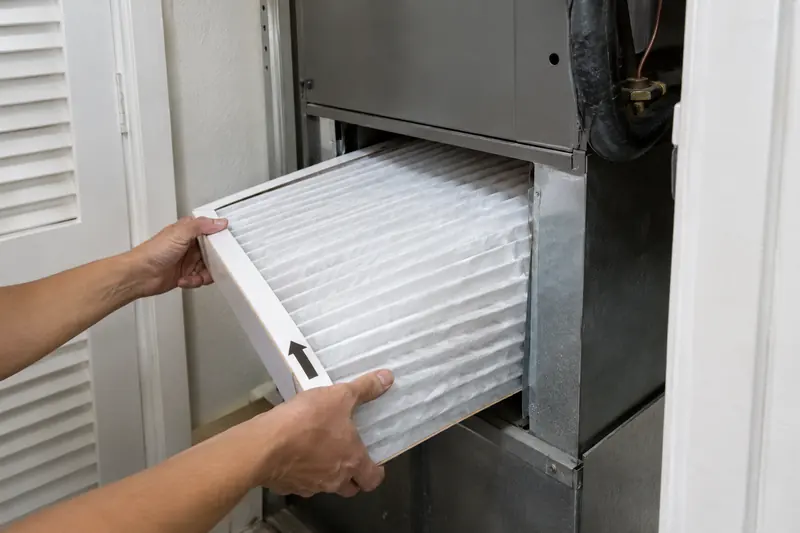
The filter does the daily work of keeping dust out of ducts. ENERGY STAR says to check it every month and change it at least every 3 months, and EPA's duct page says to use the highest-efficiency filter your system's maker recommends. The Valley Home Ducts page on MERV 13 filters and wildfire smoke covers whether your fan can handle a denser one.
Before you pull a filter or peer into a register, switch the system off at the thermostat. Don't open the air handler or furnace cabinet beyond the filter door.
| Situation | EPA's view | Next step |
|---|---|---|
| Light dust on register grilles | No evidence light dust poses a health risk | Wipe the grille; check the filter |
| Substantial visible mold in sheet metal ducts | Consider cleaning | Find and fix the moisture source first |
| Rodents or insects in ducts | Consider cleaning | Have entry points closed as well |
| Ducts clogged, particles blowing from registers | Consider cleaning | Ask for coils and drain pans too |
| Wet or moldy fiberglass duct insulation | Can't be cleaned effectively | Remove and replace |
| Biocide offered for fiberglass duct board | No products registered for that use | Decline the chemical step |
- 3situations where EPA says to consider cleaningEPA
- 0biocides registered for fiberglass duct boardEPA
- 20–30%of duct air lost in a typical systemENERGY STAR
- 0.050 ppmozone limit for air cleaners sold in CaliforniaCARB
How this page was put together
This page is based on EPA's "Should You Have the Air Ducts in Your Home Cleaned?" (updated February 19, 2026) and its asbestos page (June 2026), the ENERGY STAR duct sealing and heating and cooling pages, and the California Air Resources Board's air cleaner page, all read in October 2026. EPA's price range is repeated as EPA states it and was not compared with Valley quotes. Left out: company names, cost surveys published by cleaning firms, and any health or energy claim EPA does not support.
Questions from the field
Does EPA recommend cleaning air ducts in homes?
Not as routine maintenance. EPA says to consider it for substantial visible mold in hard ducts, vermin, or ducts clogged with debris, and not to hire anyone who sells it as a regular part of system care.
Is it okay to never clean air ducts?
For many houses, yes. EPA says a light amount of household dust in ducts has not been shown to pose a health risk, and that cleaning is probably unnecessary when no one has allergies or unexplained symptoms and an inspection shows no significant dust or mold.
Should I clean ducts or replace them?
It depends on what is wrong. Wet or moldy fiberglass insulation can't be cleaned effectively and should be replaced, per EPA, and torn, crushed or disconnected ducts are a repair job, not a cleaning job. A licensed HVAC contractor can tell you which applies.
Will duct cleaning lower my power bill?
Don't count on it. EPA says little evidence shows that cleaning only the ducts improves efficiency, though cleaning components such as coils and fans may help. Sealing leaks is the step EPA and ENERGY STAR connect to lower heating and cooling bills.
Is a company that says it is EPA-certified legitimate?
Treat the claim itself as a warning. EPA does not set duct cleaning standards and does not certify, endorse or approve duct cleaning companies. Ask instead whether the firm follows NADCA's standards and holds relevant state licenses.
Does a smoky summer mean the ducts need cleaning?
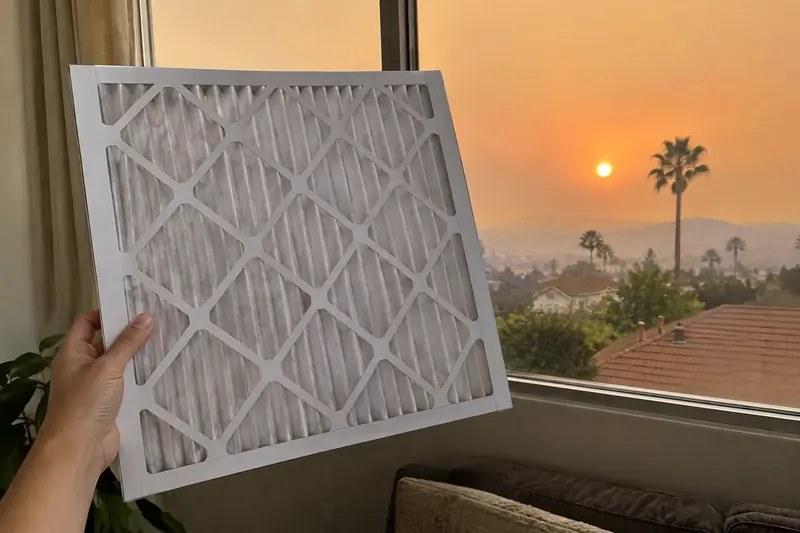
Not by itself. EPA's wildfire advice is to change HVAC filters more often than the maker suggests and whenever they look heavily soiled; it says nothing about cleaning ducts afterwards. Start with a fresh filter and the smoke-day HVAC settings.
Keep reading
Back to the Valley Home Ducts front page