Row C 4 pages and this overview
Sealing and Insulating Attic Ducts
The short of it
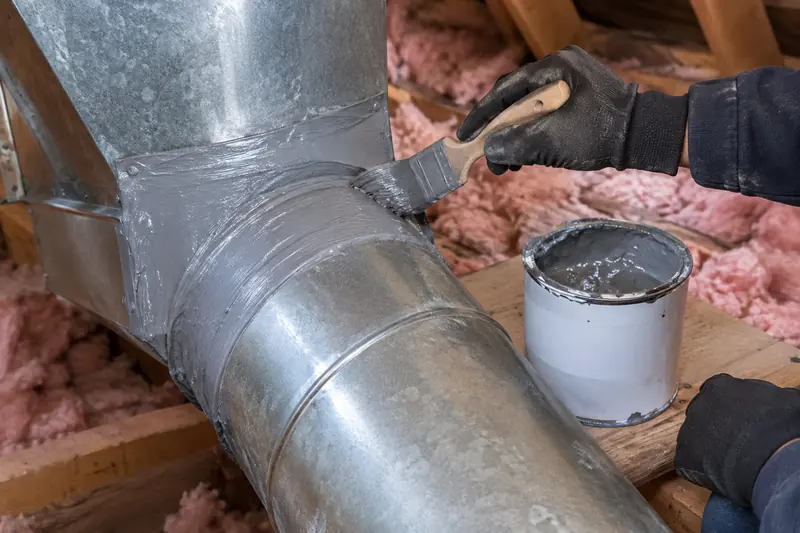
Duct sealing and insulation work as a pair: close the joints with mastic or UL 181 foil tape first, then cover attic ducts to R-8, the Title 24 level for Valley climate zones 12 and 13.
Valley Home Ducts, figures checked against their sources · updated
This page links to PlumbingSupplyAndMore, which has the same owners as Valley Home Ducts. Those links are examples only; no figure here depends on them. About these links
What to carry away
- Leaks waste 20–30% of a typical system's airflow, by ENERGY STAR's estimate, and attic ducts are where Valley houses lose most of it.
- Mastic or metal-backed (foil) tape are the two hand-sealing materials ENERGY STAR names; it says never to use cloth duct tape.
- In a 1998 Lawrence Berkeley National Laboratory (LBNL) aging test, duct tape was the only sealant type that failed.
- Title 24 sets R-8 duct insulation for new ducts in unconditioned space in climate zones 12 and 13, which covers Stockton, Modesto, Sacramento and Fresno.
- LBNL's aerosol method sealed some 80 percent of leakage across more than 100 test houses, but it cannot close disconnects or large holes.
- DOE Building America advises a combustion safety test both before and after duct sealing in houses with gas appliances.
Which duct sealing method fits which leak?
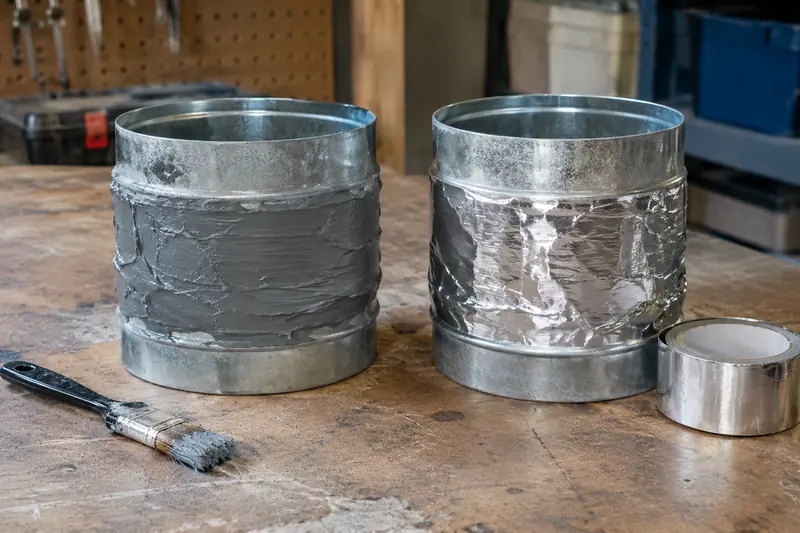
Match the material to the gap: mastic for most joints and seams, UL 181-listed foil tape for straight seams and the air handler connection, and aerosol sealing for leaks no one can reach by hand. The DOE Building America measure guideline (2011) notes that many home energy experts consider mastic superior to tape in most situations, because it conforms to rough and irregular edges.
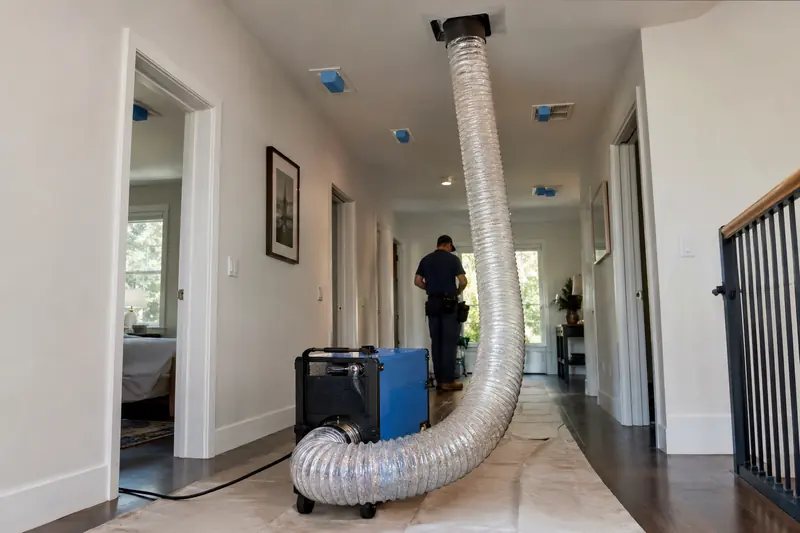
Gaps wider than about 1/8 inch need fiber mesh tape bedded in the mastic, and gaps of roughly an inch or more need a patch of sheet metal or duct board. Aerosol sealing works from inside the ducts: with the registers blocked, sticky particles build up at the edges of each leak.
Why does duct tape fail?
Cloth duct tape fails because its adhesive dries out under heat and age. In the LBNL study published August 17, 1998, researchers ran sealants through aging and baking rigs, and clear tapes, foil-backed tapes, mastics and aerosol sealant held while duct tape did not. The same article points out that UL ratings address strength and fire, not how long a sealant lasts.
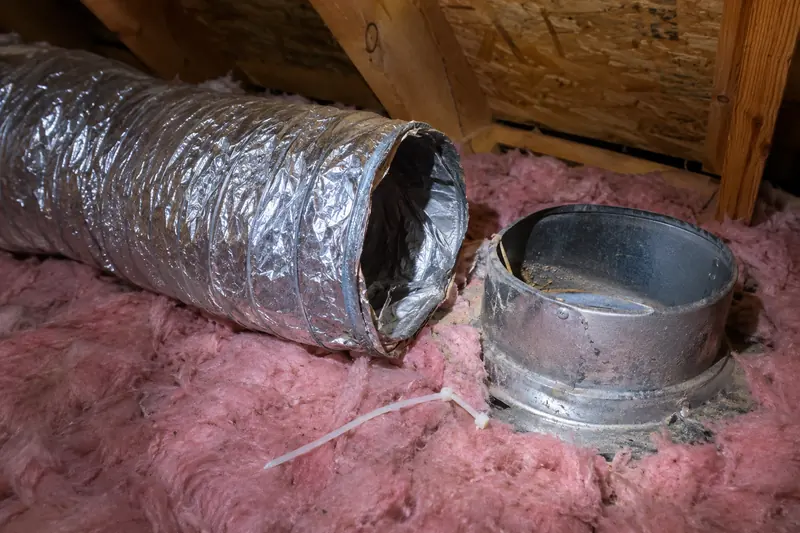
A supply house's tape listings (PlumbingSupplyAndMore, same owners as Valley Home Ducts) put UL 181 foil tapes beside general cloth tapes, so read the label for the UL 181A or 181B marking before buying.
How much duct insulation do attic ducts need?
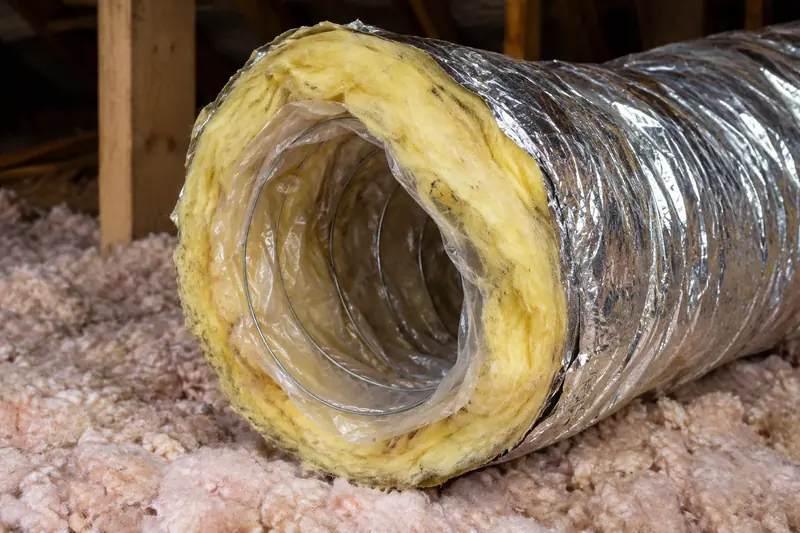
R-8. The 2025 Energy Code, reproduced on Energy Code Ace, sets R-8 for new ducts in unconditioned space in climate zones 1, 2, 4 and 8 through 16, and R-6 only in zones 3 and 5–7. ENERGY STAR's general advice of R-6 or higher is a national floor; in the Valley, R-8 is the code number.
Older houses may carry R-4 wrap or none at all, according to DOE Building America. Insulation goes on after the joints are sealed, never over open leaks.

Where does sealing pay off first?
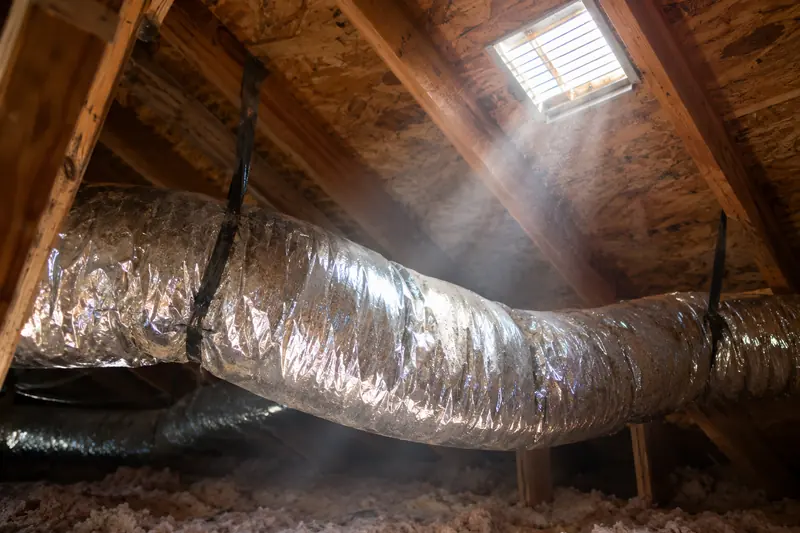
Start at and near the air handler, then the trunks and branch takeoffs, because pressure is highest close to the fan. DOE Building America says leaks there have a larger effect than holes of the same size near the registers, and that sealing ducts in unconditioned space brings the energy savings. ENERGY STAR says to focus first on ducts in the attic, crawlspace or garage.
Sealing the cabinet of the air handler itself is a technician's task, since it sits next to wiring and, on a furnace, burners. A disconnected duct lying loose in the attic is the cheapest big win there is: reconnecting it is often quick work.
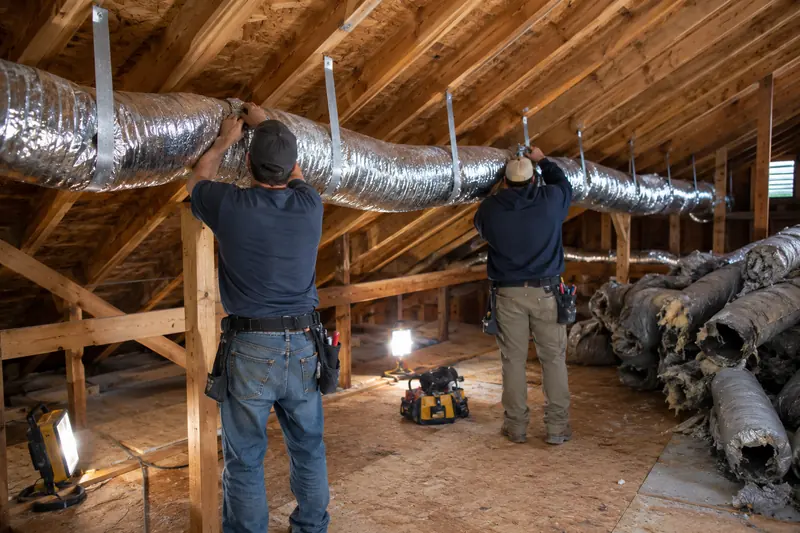
Which duct sealing jobs are safe to do yourself?
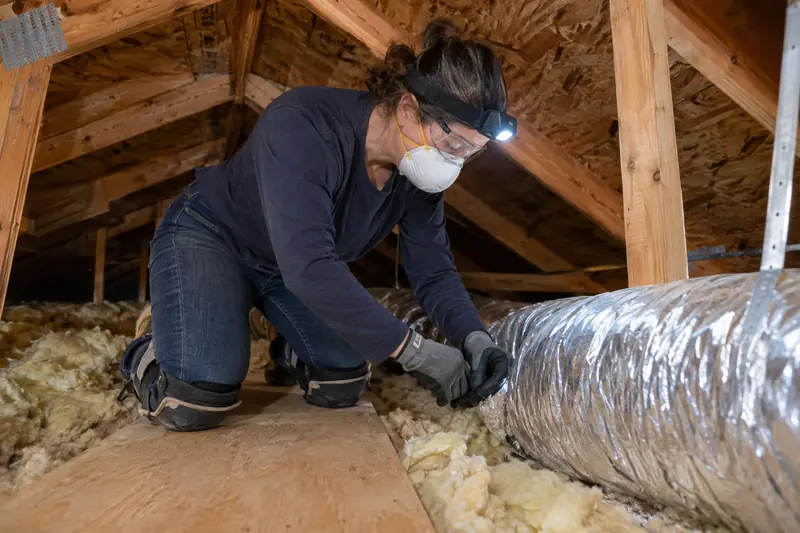
Reachable joints on ducts that are not asbestos-wrapped, with the system switched off, in cool morning hours: that is the homeowner's share. DOE Building America notes attics can easily reach 130°F or 140°F on hot days, so July afternoons are out. Anything near the furnace or air handler cabinet, any suspect wrap, and any job that needs electrical or gas work belongs to a licensed contractor.
Homes built between the 1930s and 1970s are more likely to have asbestos materials, including duct wrap, according to the EPA. Leave suspect wrap untouched and have an accredited asbestos professional sample it. If you're unsure, call a licensed technician.
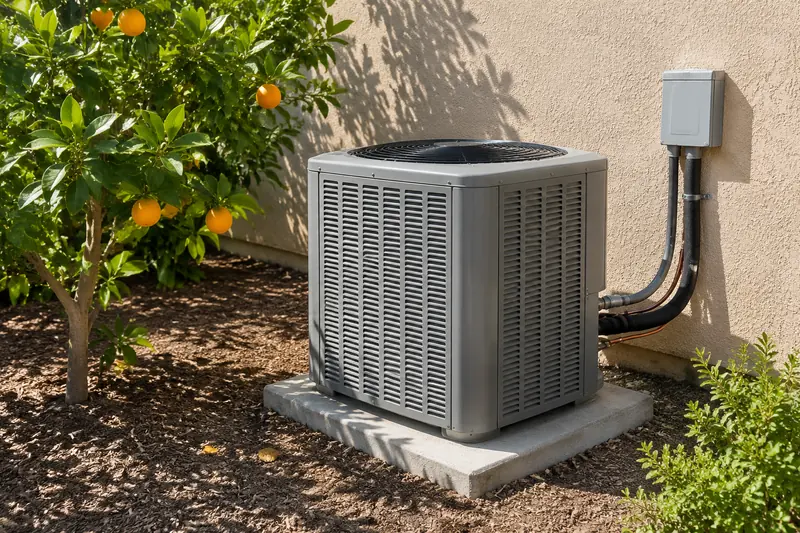
Who checks the work after sealing?
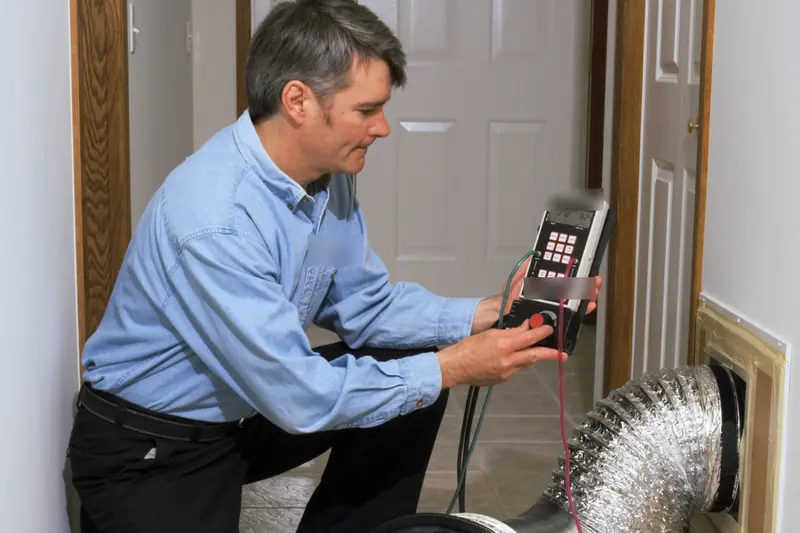
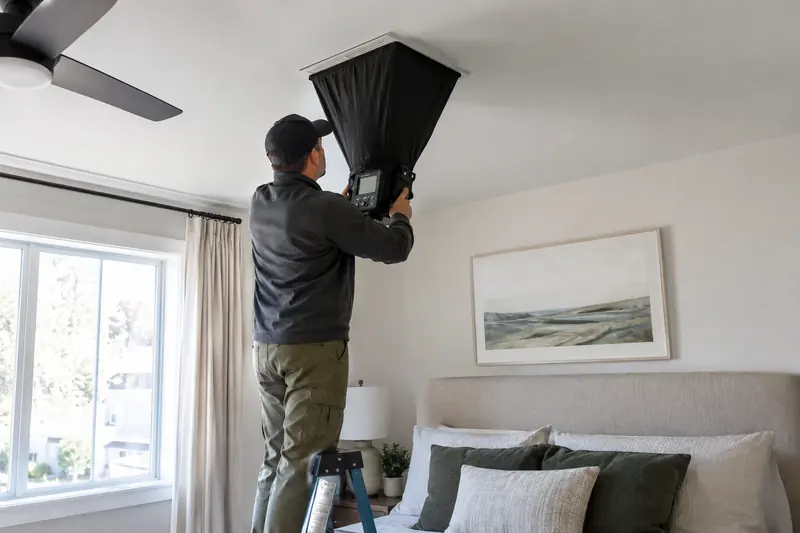
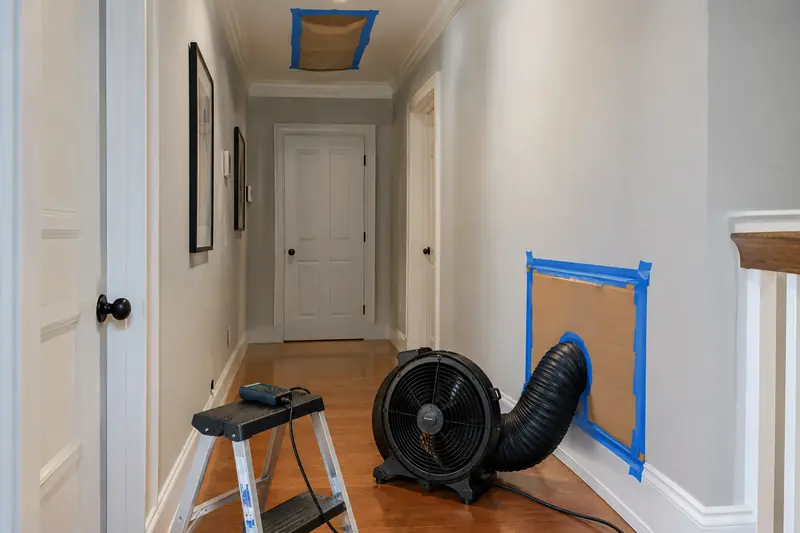
A duct leakage test shows whether the sealing worked, and a combustion safety test shows whether it changed how gas appliances vent. The ENERGY STAR duct sealing flyer tells contractors to make sure there is no backdrafting and to run a combustion safety test after ducts are sealed. When equipment is being replaced, a state-certified ECC-Rater (the 2025 code's name for what was called a HERS Rater) verifies the duct test.
| Option | Best use | Limit |
|---|---|---|
| Mastic | Most joints, seams, collars, rough edges | Messy; gaps over 1/8 in. need mesh tape |
| UL 181 foil tape | Straight seams, air handler connection | Clean, dry surface needed; rated tapes can still fail |
| Cloth duct tape | None | Only sealant type that failed in LBNL testing |
| Aerosol sealing | Hidden leaks inside walls and ceilings | Cannot seal disconnects or large holes |
| R-8 duct insulation | Attic ducts in zones 12 and 13 | Goes on after sealing, without heavy compression |
- 20–30%of duct airflow lost in a typical systemENERGY STAR
- R-8duct insulation for new ducts in zones 12 and 13Energy Code Ace (2025 code)
- 80%of leakage sealed by aerosol in LBNL field testsLBNL
- 130–140°Fattic temperatures on hot daysDOE Building America
How this page was put together
This hub summarizes the five pages in the sealing and insulation row. Sources: the ENERGY STAR duct sealing page and flyer, DOE Building America's 2011 duct retrofit guideline, two LBNL articles from 1998, the EPA asbestos page and the 2025 Title 24 duct text as reproduced on Energy Code Ace; every source was opened in October 2026. Left out: product brands, prices and savings dollars, since the modeled savings in DOE's guideline were run for Houston and Boston, not the Valley.
Questions from the field
Should ducts be sealed before or after insulating?
Before. Insulation hides leaks and does nothing to stop air escaping through a gap. DOE Building America lists sealing first, then insulating once the mastic has set.
Is foil tape as good as mastic?
Not usually. UL 181-listed foil tape is acceptable, and it suits straight seams and the air handler connection, but DOE Building America notes rated tapes can still fail over time. Mastic is the first choice for most joints.
Does Title 24 require duct sealing when the AC is replaced?
Yes, in most cases. Replacing the air handler, outdoor unit or coil means the connected ducts must be sealed and tested, with exceptions for previously verified ducts, systems under 40 linear feet and asbestos ducts.
Can new insulation go over old wrap?
Sometimes, if the old wrap is dry, intact and not asbestos. Torn wrap or a degraded vapor barrier usually means replacement after sealing. A contractor can measure the existing R-value.
Does sealing ducts make a gas furnace less safe?
It can change pressures around gas appliances and cause backdrafting, which is why ENERGY STAR calls for a combustion safety test after sealing. Have a qualified professional test before and after, and keep CO alarms on every level.
Where do Valley readers find a duct rebate?
Sacramento readers can check SMUD's Seal and Insulate page, which lists up to $3,000 subject to available funding. Elsewhere, check your own utility's current rebate page.