Row A 4 pages and this overview
Attic Ducts in Valley Heat
The short of it
Attic ducts in Central Valley houses carry 50–55°F air through attics that can top 130°F, so leaks and conduction quietly eat cooling on exactly the afternoons you need it most.
Valley Home Ducts, figures checked against their sources · updated
What to carry away
- On hot summer days a vented attic can climb to 130–140°F, per a 2011 Building America report from DOE.
- ENERGY STAR estimates that a fifth to nearly a third of the air a typical system pushes never reaches the rooms.
- LBNL slides on duct sealing say about 90% of the energy lost from insulated ducts outside the house is not recovered.
- ENERGY STAR lists ducts "located in an attic, crawlspace, or the garage" as one of the signs to have a system checked.
- PNNL's Building America Solution Center calls the conditioned space of the home the best place for a duct system.
- The CEC map puts Stockton, Modesto and Sacramento in zone 12; Fresno sits one zone over, in 13.
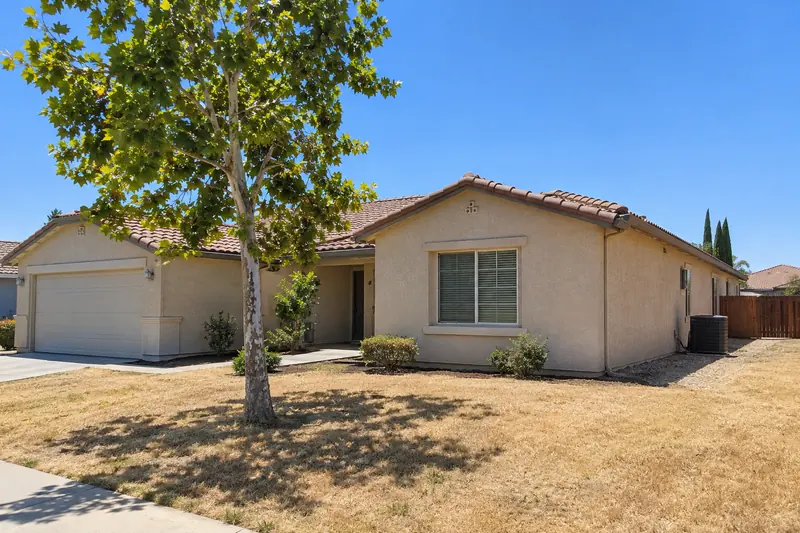
This row is about the place where most Valley ducts live. A single-story house on a slab leaves the attic as the easy route for supply runs, and the attic is also the hottest, dustiest space on the property in July. The four articles below take it in order: what the heat does to the air, how to spot a leaky system, whether the ducts can come inside, and what your climate zone means for the rules.
Attic duct numbers
- 130–140°Fattic temperature on a hot summer dayDOE Building America
- 20–30%share of moving air that leaks awayENERGY STAR
- 90%lost energy from outside ducts not recoveredLBNL
- 97.7°FJuly normal high, Fresno Yosemite airportNOAA NCEI
How hot does the attic get?
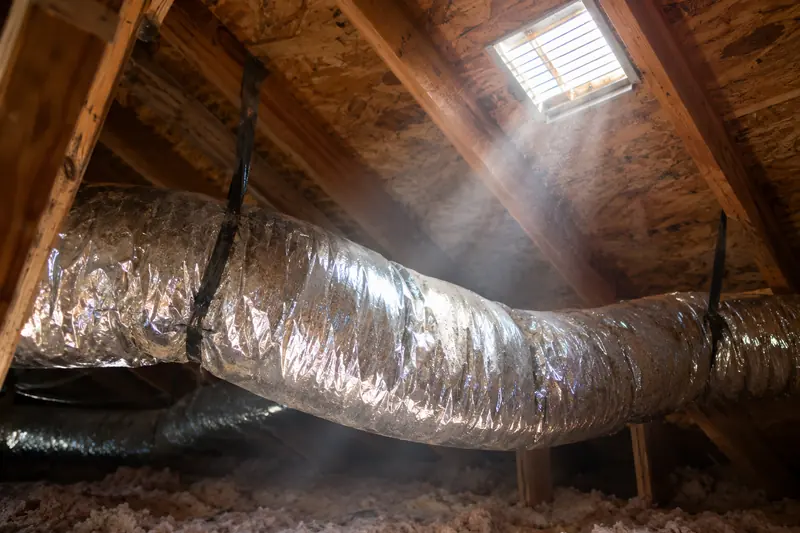
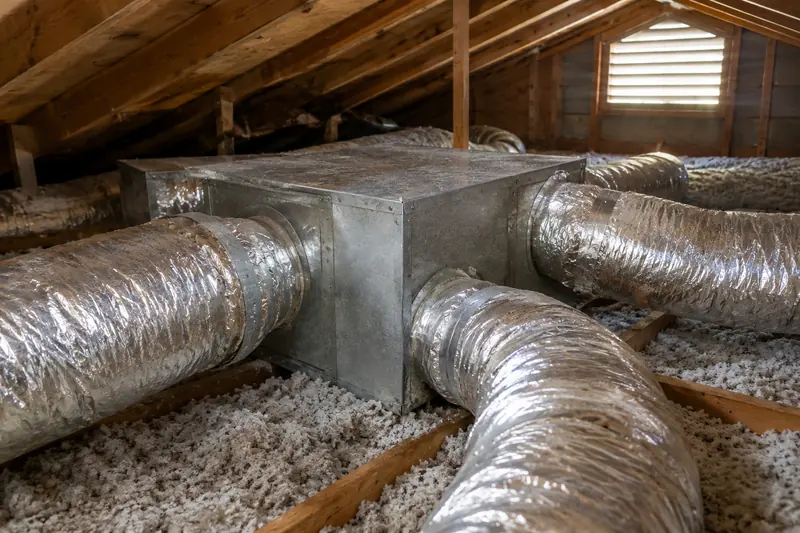
A Valley attic on a summer afternoon can run 130°F or more, well above the 94–98°F July normal highs measured at Valley weather stations. The DOE Building America measure guideline gives 130–140°F as a hot-day attic range, and that is the air surrounding a duct carrying 50–55°F supply air, a gap of at least 80°F.
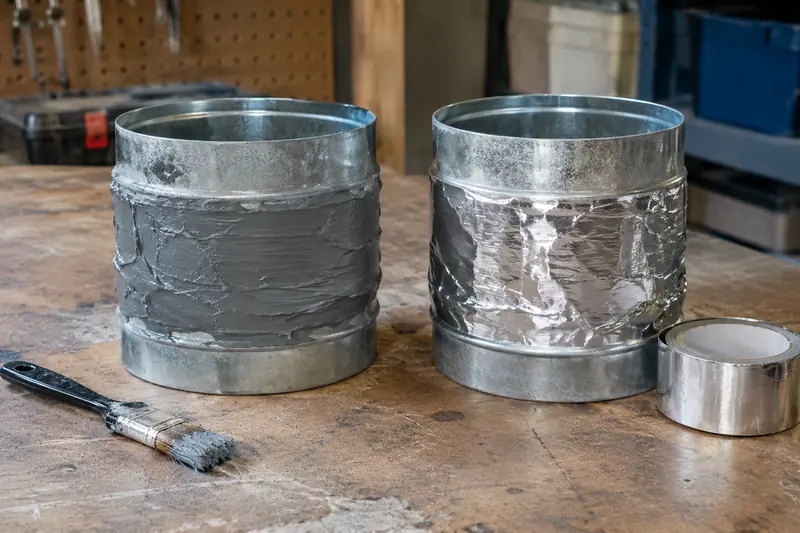
That heat is also why attic work needs care. Work up there only in the early morning of a cooler month, or have it done, and step only on joists or a board laid across them. Why attic ducts lose so much cooling explains the physics, and sealing attic ducts safely covers the safety list.
How much cooling do attic ducts lose?
A typical duct system leaks roughly a fifth to almost a third of its airflow, says ENERGY STAR, and leaky ducts can cut heating and cooling efficiency by as much as 20 percent. Older homes are often worse: the Building America guideline notes that duct leakage of 30–50% of total system airflow is not unusual in them.
Location decides how much of that loss comes back. Lawrence Berkeley National Laboratory's duct sealing slides say that for insulated ducts outside the house, about 90% of the lost energy is not recovered, against about half for ducts in a basement. Valley ranch houses rarely have basements, so the attic case is the usual one.
What are the signs of a leaky duct system?
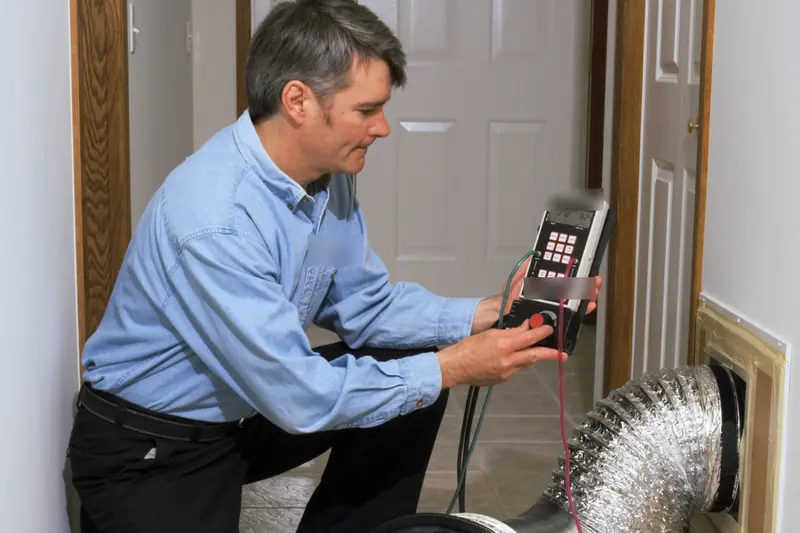
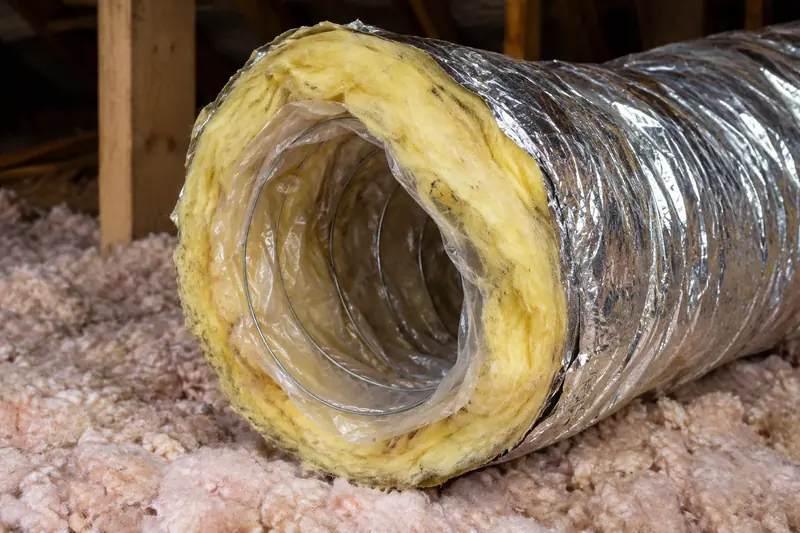
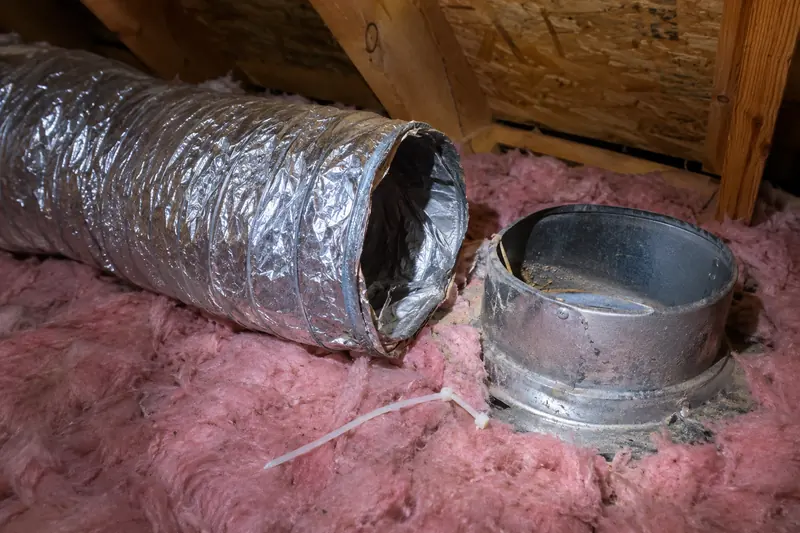
High summer bills, a room that never cools, stuffy rooms and tangled or kinked flex duct are the signs ENERGY STAR lists, along with simply having ducts in the attic. A dusty house can be a hint as well, since leaky return ducts can pull attic dust into the air stream.
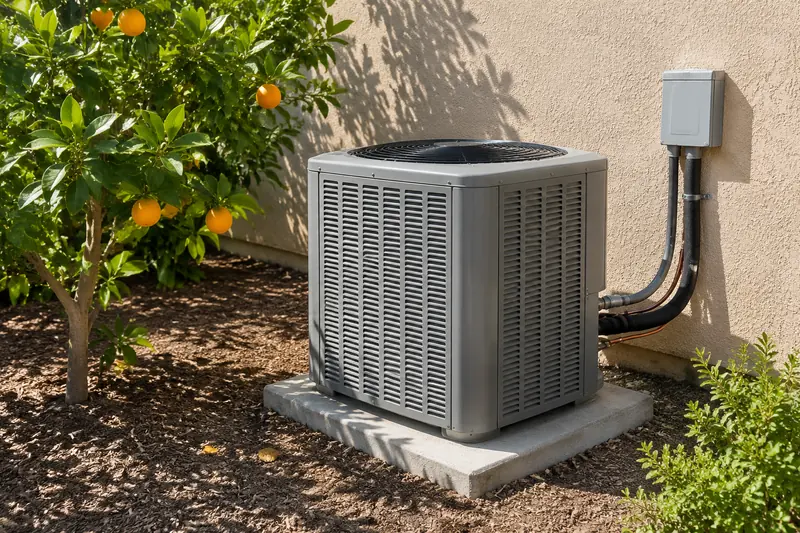
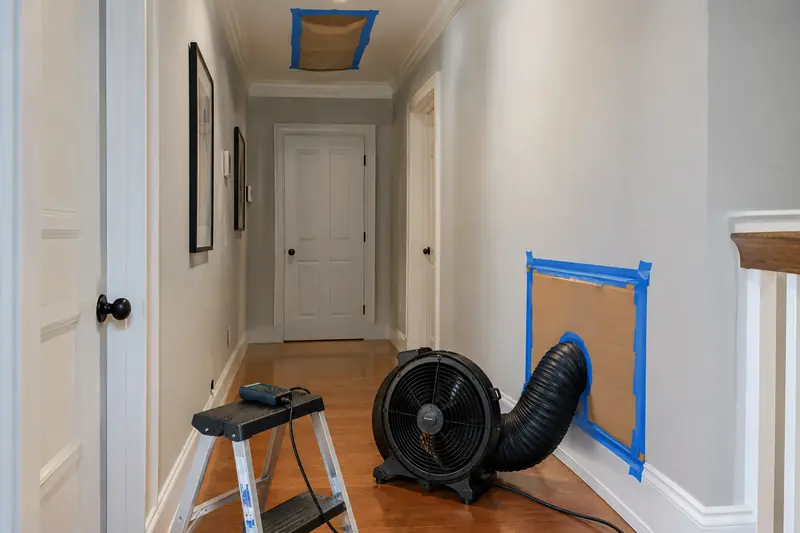
None of those signs measures leakage. A duct leakage test does that, and in California one is required when an air handler, condenser or coil is replaced. Signs of leaky ducts sorts the clues into what you can check from inside and what a contractor checks.
Can ducts be moved out of the attic?
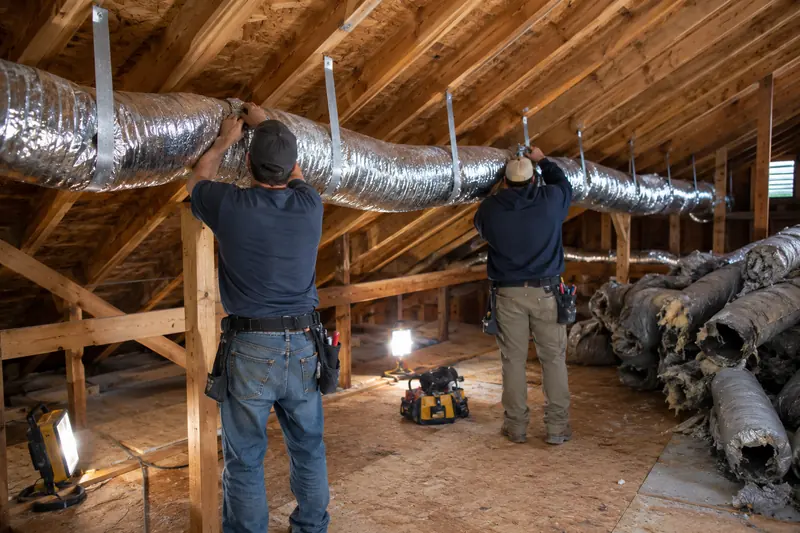
Sometimes, and the Building America Solution Center says the best place for a duct system, from an HVAC standpoint, is inside the conditioned space of the home. In a finished house the practical choices are burying attic ducts under deep blown insulation, which BASC says suits dry climates, or building a dropped ceiling chase during a remodel.
BASC is frank that a chase retrofit is hard: in all but the simplest floor plans it is most often not cost-effective. Ducts in conditioned space covers when each approach fits and what to ask first.

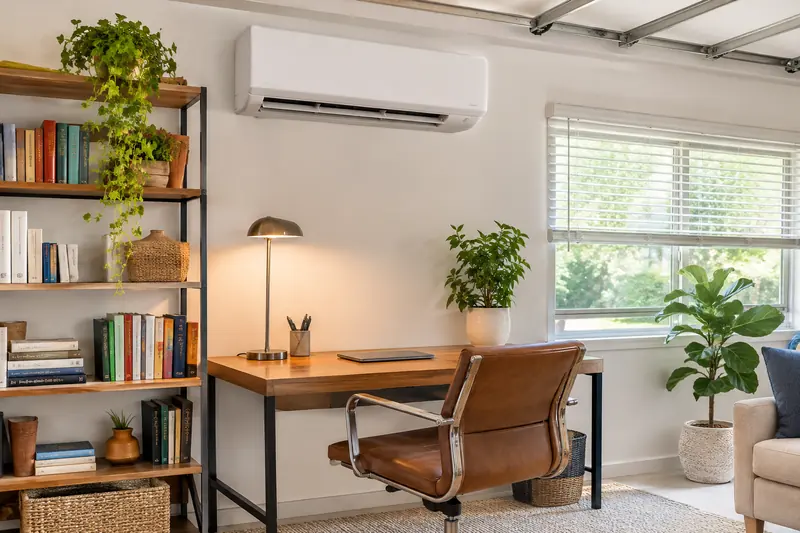
Which climate zone is your house in?
Stockton, Modesto and Sacramento city centers fall in building climate zone 12 and Fresno in zone 13, from point lookups on the state's climate zone map. The zone sets duct rules: Title 24 requires R-8 duct insulation on new ducts in unconditioned space in both zones, and air-cooled A/C changeouts in zones 12 and 13 need airflow and refrigerant charge checks. An address near a zone line can differ, so confirm yours.
| Article | Question it answers | Main source |
|---|---|---|
| Why attic ducts lose cooling | Where the cooling goes between coil and register | DOE Building America; LBNL |
| Signs of leaky ducts | What you can see, feel and check | ENERGY STAR |
| Ducts in conditioned space | Whether ducts can move indoors | PNNL Building America Solution Center |
| Climate zones 12 and 13 | What local weather and zone rules mean | NOAA; Title 24 via Energy Code Ace |

How this page was put together
This hub summarizes the four Attic heat articles and leans on the same documents: DOE's 2011 Building America report on existing-home ducts, ENERGY STAR's duct sealing page and flyer, LBNL's duct sealing slides (2008), PNNL's Building America Solution Center, NOAA 1991–2020 normals, the CEC building climate zone layer and the 2025 Title 24 text on Energy Code Ace, read in October 2026. Left out: a "safe" attic working temperature (no primary source gives one) and figures read off charts.
Questions from the field
Are attic ducts a bad design?
They are the common design for single-story Valley houses on slabs, not a defect. They just work in a harsh spot, so sealing, insulation and good installation matter more than they would for ducts indoors.
Does a radiant barrier or attic fan fix duct losses?
Valley Home Ducts has not found a primary source with figures for those in Valley houses, so this site makes no claim either way. Sealing and insulating the ducts themselves is what ENERGY STAR and DOE put first.
Is it safe to go into my attic in July?
Not on a hot July afternoon, when an attic can run 130–140°F. If a job can't wait for a cooler month, go up only in the early morning, bring water, tell someone, and know the CDC heat-stroke signs: confusion, slurred speech, hot dry skin or heavy sweating, seizures. Call 911 if they appear.
Do attic ducts matter in winter too?
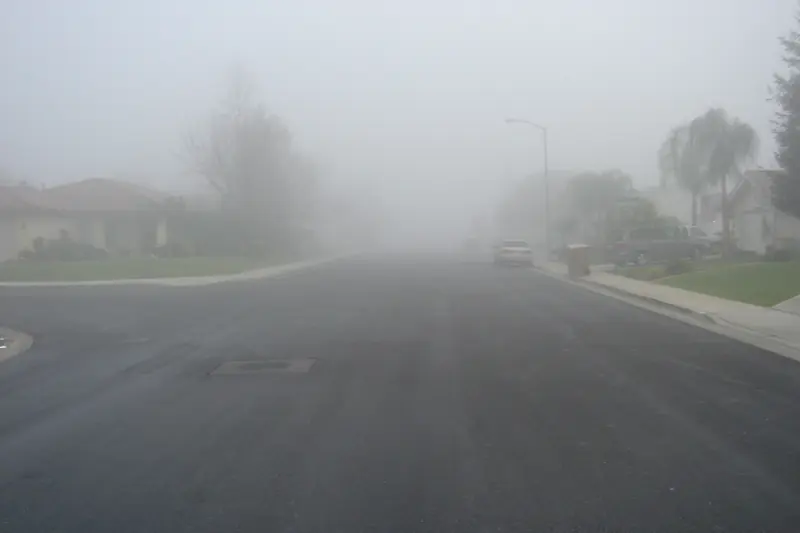
Yes. The same ducts carry heat through tule-fog season, when January normal lows at Valley stations sit near 39–41°F, and ENERGY STAR lists high winter bills among the signs of leaky ducts.
Can I see leaks without a test?
You can see disconnected runs, crushed flex and torn jackets. Small leaks at joints are invisible; a duct leakage test measures the total.
Who checks ducts after a new A/C goes in?
A state-certified ECC-Rater, the title that replaced HERS Rater for 2026 permits, verifies the duct test after a changeout under Title 24.