Row E 3 pages and this overview
Dust, Filters and Smoke in Ducts
The short of it
Air in the ducts stays cleanest with a good filter, not a duct-cleaning crew: EPA finds no proven health benefit from routine cleaning, and EPA and CARB name MERV 13 for smoke season.
Valley Home Ducts, figures checked against their sources · updated
What to carry away
- EPA finds no proof that duct cleaning prevents health problems; it lists 3 cases worth a cleaning: visible mold in hard ducts, vermin, heavy debris.
- MERV 13 is the filter target for smoke in both EPA's and the California Air Resources Board's advice, if the system can take it.
- On smoke days, CARB says the thermostat fan goes to "on," not "auto," with any fresh-air intake closed.
- Air cleaners sold in California must stay at or under 0.050 ppm of ozone, per CARB.
- ENERGY STAR: look at the filter monthly and replace it within 3 months at most.
- Title 24 calls for MERV 13 on new or fully replaced systems serving more than 10 ft of duct.
Does dust in the ducts make indoor air worse?
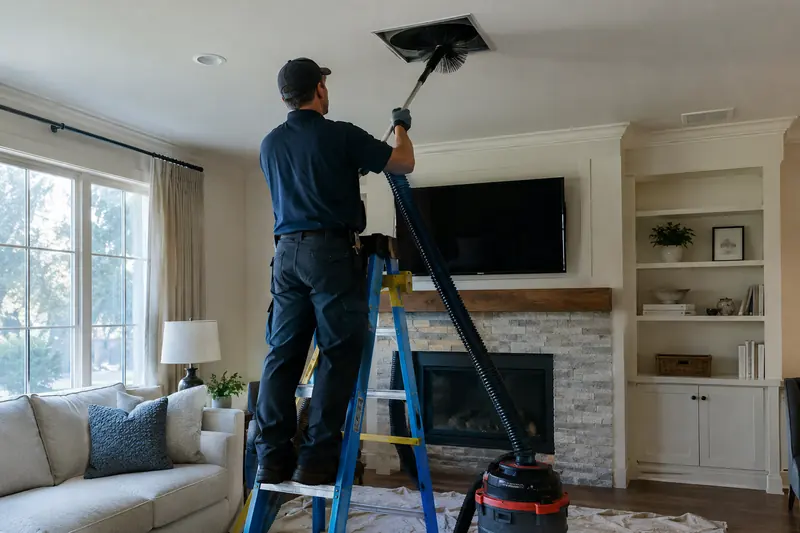
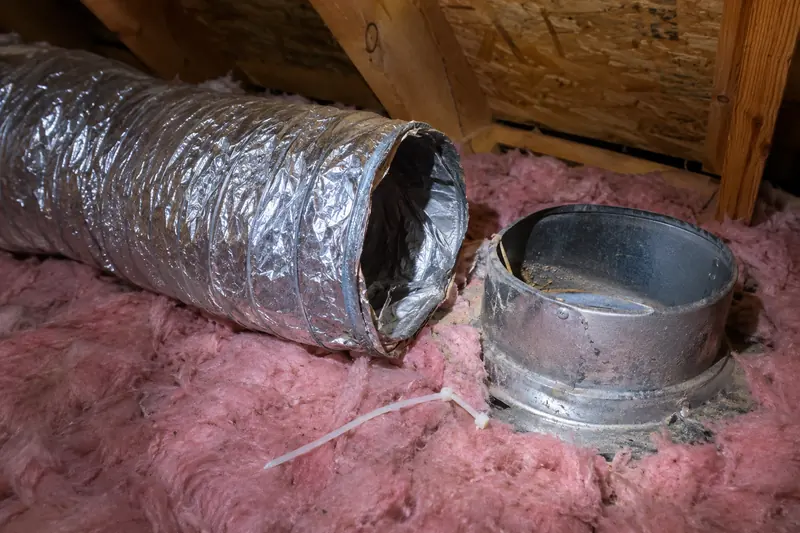
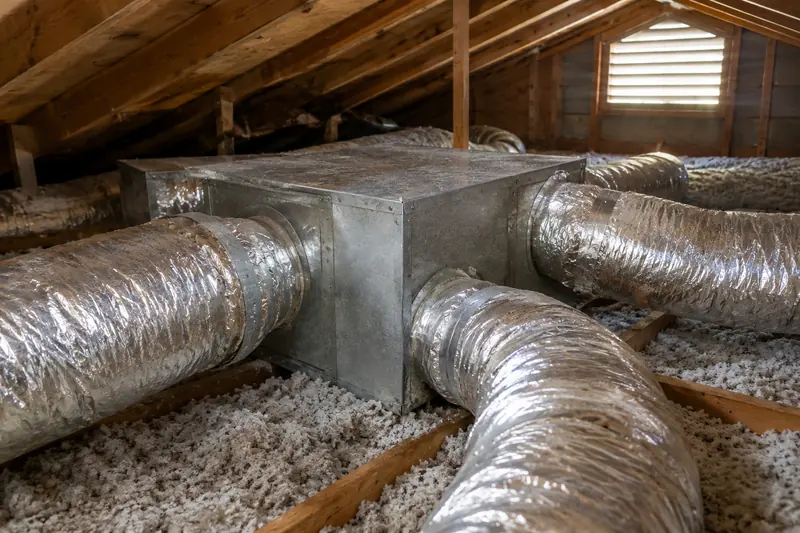
Not in any way EPA has been able to show. EPA's duct-cleaning page says studies do not conclusively show that dirty ducts raise dust levels in homes, and that light household dust inside ducts has not been shown to harm health. Cleaning is worth a look in three cases EPA names: substantial visible mold in sheet metal ducts, rodents or insects in the ducts, or ducts so clogged that debris blows out of the registers.
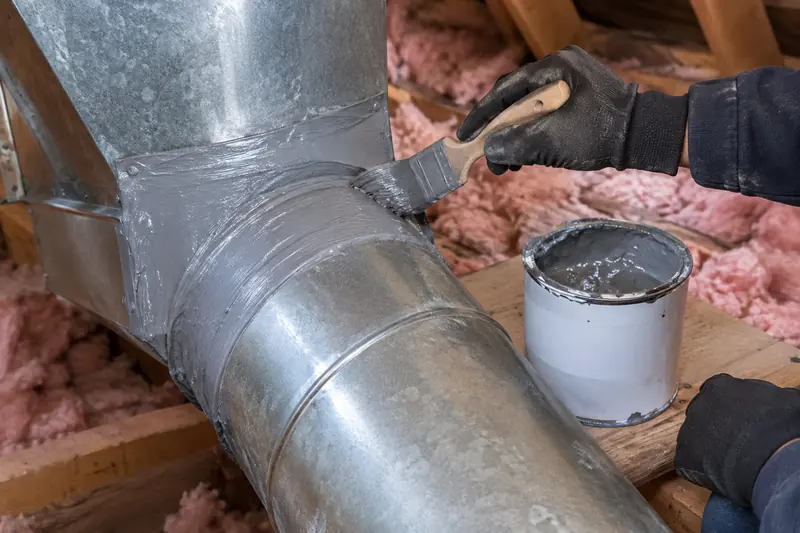
EPA also warns against firms that pitch cleaning as routine maintenance or claim EPA certification, which does not exist. The page on duct cleaning claims walks through biocides, sealants and how to compare written estimates. In the Valley, leaks usually matter more than dust: ENERGY STAR says roughly 20 to 30 percent of the air in a typical duct system is lost, which is why duct sealing comes up again and again on this site.
Which filter keeps smoke out of the air in your ducts?
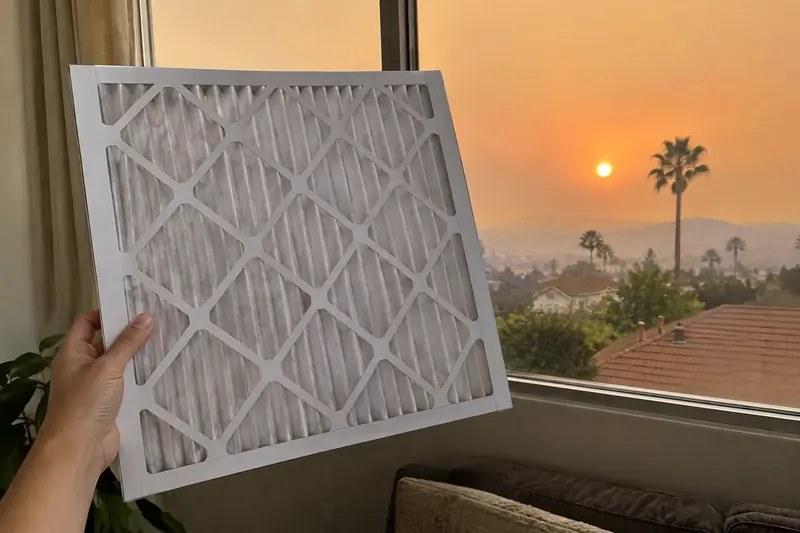
MERV 13 is the answer, or failing that, the densest rating your blower and filter slot can manage. That is the filter target for smoke in EPA's wildfire guidance and in CARB's Smoke Ready advice. EPA's MERV page explains that ratings measure capture of particles from 0.3 to 10 microns.
The catch is airflow. EPA's 2018 technical summary on residential air cleaners cautions that some existing systems lack the fan capacity for denser filters, so a licensed HVAC contractor may need to measure before you step up. The page on MERV 13 filters for wildfire smoke covers ratings, filter depth and change intervals.
How should air move through the ducts on smoke days?
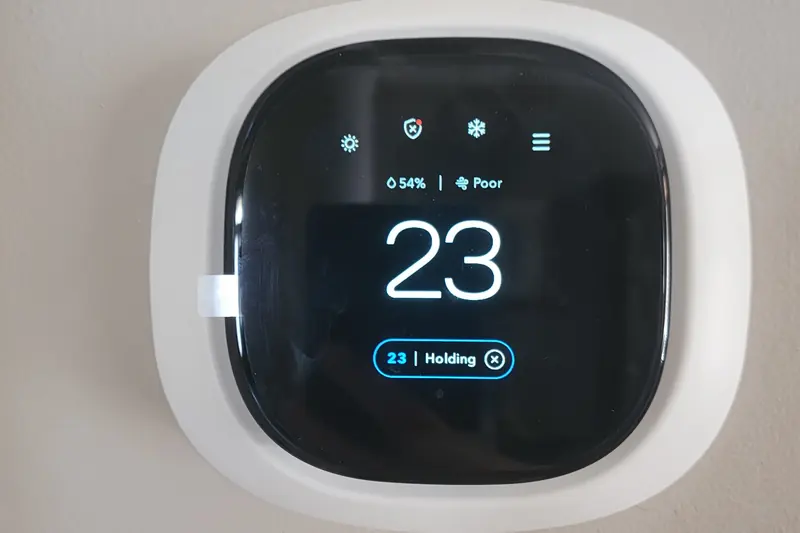
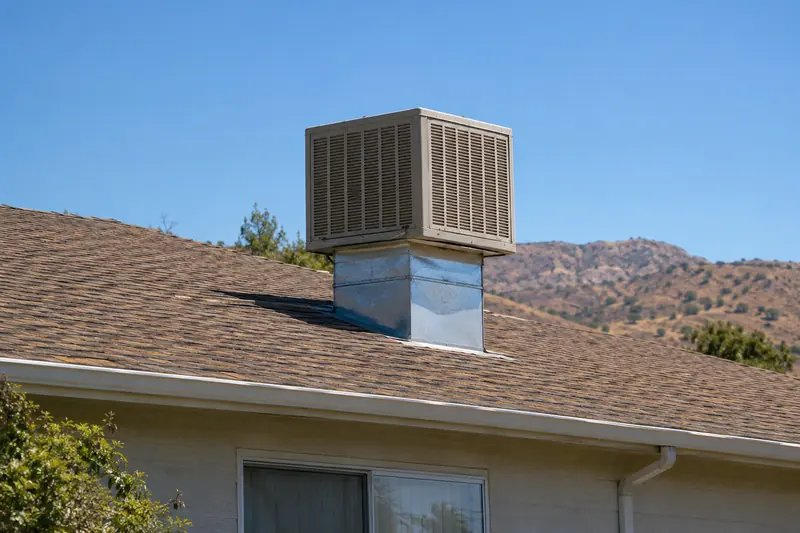
Keep it moving and keep it inside. CARB's Smoke Ready page says to run the fan on "on" not auto on smoke days, because auto runs the system only intermittently, and to close any fresh-air intake so the system recirculates. CARB also says to leave swamp coolers and whole-house fans off while smoke lingers, and to keep windows and doors closed.
A portable air cleaner covers the room where people sleep. CARB says to use a certified unit on its highest setting, and CARB strongly advises against ozone generators; every electronic cleaner sold in the state has to meet the 0.050 ppm ozone limit for air cleaners. The smoke-day settings page has the full list, including box-fan cleaners.
What does Title 24 say about filtering duct air?
Current Title 24 Part 6 sets MERV 13 as the minimum wherever a system delivers air through over 10 ft of ductwork, per §150.0(m)12 as Energy Code Ace reproduces it. Filters must be 2 inches deep, or 1 inch if sized to keep face velocity at 150 ft per minute or less.
That rule covers new systems and complete replacements, so an older system is not out of code for running a lower-rated filter. When equipment is replaced, the same visit brings duct testing under the Title 24 changeout rules, and it is a good time to ask for a filter slot that fits a 2-inch MERV 13.
What should you check before touching the filter?
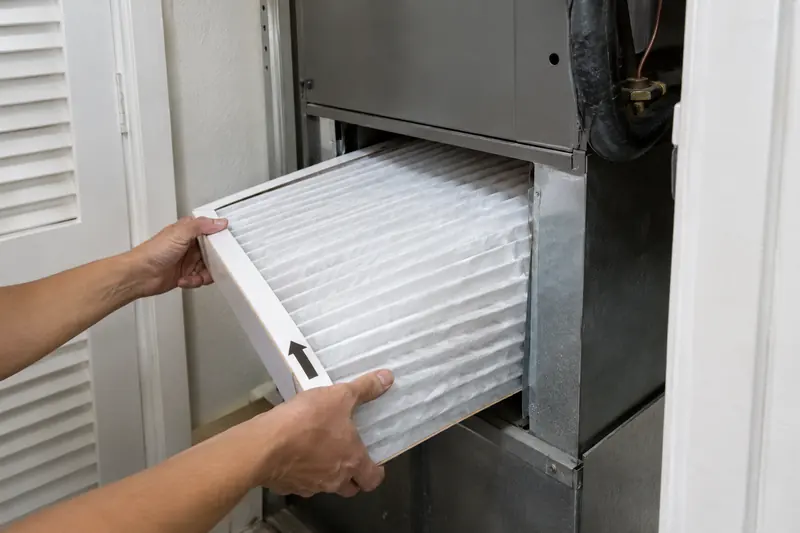
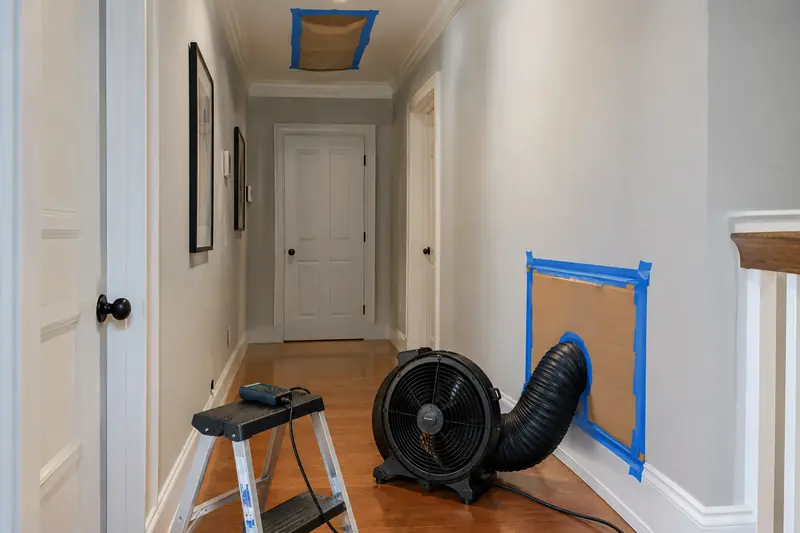
Turn the system off at the thermostat first, then open only the filter door or the return grille. The filter door is the furthest into the equipment a homeowner should go; the air handler and furnace cabinets hold wiring and burners that belong to a licensed technician. ENERGY STAR's baseline is to check monthly, and 3 months is the most time allowed between filter changes; EPA's wildfire page says to change filters sooner when smoke loads them.
Note the size printed on the old frame and the arrow showing airflow direction before you pull it. If the filter is soaked, or there is standing water or mold around the slot, stop there: EPA ties duct mold to moisture, and that is a job for a contractor. If you're unsure, call a licensed technician.
| Question | Short answer | Source |
|---|---|---|
| Should ducts be cleaned routinely? | No; only for mold, vermin or heavy debris | EPA |
| What filter for smoke? | MERV 13, or the highest the system takes | EPA, CARB |
| Fan setting on smoke days? | "On," with the fresh-air intake closed | CARB, EPA |
| Swamp cooler on smoke days? | Leave it off | CARB |
| How often to change filters? | Check monthly; change within 3 months, sooner in smoke | ENERGY STAR, EPA |
| Filter rule for new systems? | MERV 13 above 10 ft of duct | Title 24 via Energy Code Ace |
- 3cases where EPA says duct cleaning is worth consideringEPA
- MERV 13filter rating named for wildfire smokeCARB
- 0.050 ppmozone limit for electronic air cleanersCARB
- 20–30%of air lost in a typical duct systemENERGY STAR
How this page was put together
This hub summarizes the three Air in the ducts pages. It rests on EPA's duct cleaning, MERV and wildfire pages (all updated in 2026) and its 2018 residential air cleaner summary, CARB's Smoke Ready and air cleaner consumer pages, ENERGY STAR's heating and cooling and duct sealing pages, and Title 24 §150.0(m)12 on Energy Code Ace. Sources were checked in October 2026. Not included: duct-cleaning prices from company sites, filter or air cleaner brands, and health claims beyond what EPA and CARB say.
Questions from the field
Do I need my ducts cleaned after buying a house?
Not automatically. Look inside a few registers and at the filter; EPA's three triggers are visible mold in hard ducts, vermin, and heavy debris. A new owner's better first step is a fresh filter and a duct leakage check.
Can the filter go in the return grille instead of the unit?
Filters sit either behind a return grille or in a slot at the air handler, depending on how the system was built. Use the slot your system was designed with, at the size printed on the old filter.
Does smoke damage ductwork?
The sources read don't describe smoke harming ducts themselves. EPA's advice centers on the filter: change it more often during smoke and whenever it looks heavily soiled.
Is a whole-house air purifier worth adding to the ducts?
If it is electronic, it must be CARB-certified to be sold in California, a rule that has covered in-duct units since October 2020. A MERV 13 filter with the fan on is the step EPA and CARB both name first.
Is it safe to run the furnace fan during smoke in winter?
CARB's fan-on advice isn't tied to a season, so it applies when the heat is running too. The blower moves air through the filter either way; the burner side of the furnace is not something to adjust. If you're unsure, call a licensed technician.
Where do evaporative coolers fit in smoke season?
They don't, while smoke lingers. CARB says to keep swamp coolers off on smoke days, because they work by pulling outdoor air through the house. See evaporative cooler ducts.